







Search Results for: single-serve beverages
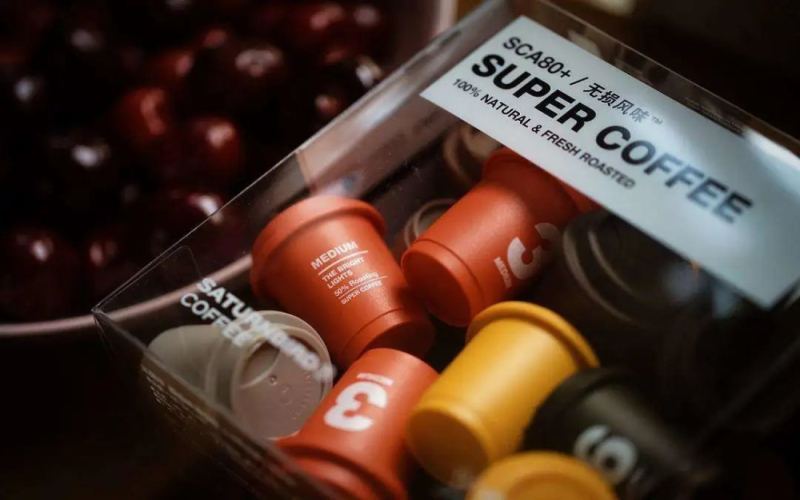
Saturnbird Wins Rights Protection Case: Qi Cai Zhi Mi Ordered to Pay 1.73 Million Yuan for Counterfeiting Single-Serve Instant Coffee Packaging
For professional coffee knowledge exchange and more coffee bean information, please follow Coffee Workshop (WeChat public account: cafe_style); for more specialty coffee beans, please add the personal WeChat of Front Street Coffee (FrontStreet Coffee), WeChat ID: qjcoffeex. Recently, the case in which Saturnbird, over the course of 20 months, sued "Qicai Zhi Mi" for unauthorized use of a similar small-cup instant coffee appearance reached a result. The Hangzhou Intermediate People's Court found that unfair competition was constituted, awarded 1.73 million yuan in damages, and ordered the production and sale of the infringing products to stop. Saturnbird became famous for its super-instant coffee and mini coffee cup design, and its packaging sparked a DIY craze and swept social media, which is why it has frequently been imitated and even copied. In this case, "Qicai Zhi Mi" not only had highly similar style, packaging, and promotional images, but also used the search term "Saturnbird same style" to mislead consumers. The case lasted nearly two years, highlighting the current reality in the food industry that intellectual property rights protection is difficult and the boundary between reference and copying is blurred. The article combines cases such as Sexy Tea suing Chayan Guanse to explore how original brands can protect their rights and interests through copyright, patent rights, exclusive trademark rights, and the Anti-Unfair Competition Law. [more…]

What is the difference between Green Mountain Coffee and Blue Mountain Coffee? From the plot of Ode to Joy, look at Green Mountain's background, Blue Mountain's price and grade.
In the TV drama Ode to Joy, a conversation about "Green Mountain Coffee" and "Blue Mountain Coffee" led many viewers to believe that Green Mountain is a knockoff of Blue Mountain. In fact, there really is a coffee brand in the United States called Green Mountain, and it is completely different from Jamaican Blue Mountain Coffee. Starting from this plot, this article first clarifies the real background of Green Mountain Coffee: it is a brand from Vermont, USA, which opened up the office market with Keurig single-serve coffee makers and K-Cups, taking a convenient and affordable route. Then it turns to Blue Mountain Coffee, explaining why it is expensive, what grade Blue Mountain No. 1 occupies within Jamaican Blue Mountain, and the flavor, pour-over parameters, and tasting method of Blue Mountain No. 1 recommended by Front Street Coffee. [more…]
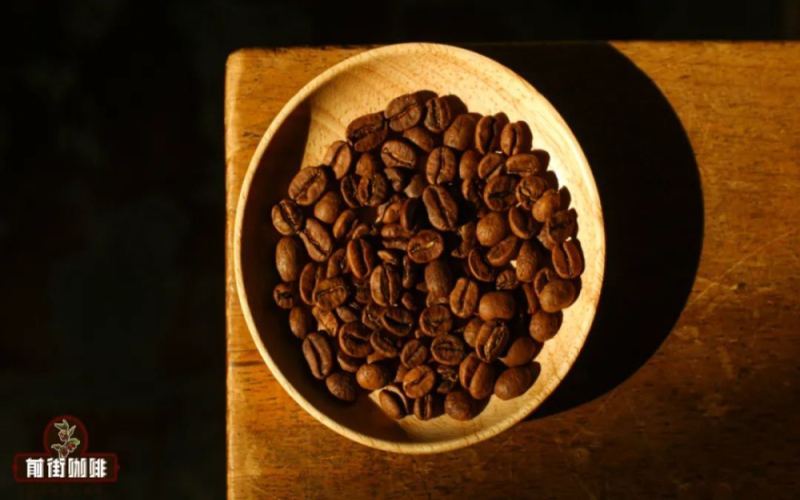
Why Is 15g of Coffee Commonly the Single-Serving Standard for Pour-Over? A Full Analysis of the Differences Between 01 and 02 Drippers
When browsing brands like Front Street Coffee or coffee teaching courses, you will often see single-origin beans recommended for brewing with 15g of coffee grounds. This number seems to have become the golden standard for pour-over coffee, but why exactly 15g? What problems would 10g or 20g bring? Starting from Front Street Coffee's teaching practice, this article deeply analyzes the impact of coffee dose on coffee bed depth, water flow state, and extraction results, explaining why 15g can become the most suitable single-serving parameter for the 01 dripper. At the same time, many enthusiasts are also curious about the difference between the 01 and 02 drippers. We will provide an answer from the perspective of coffee bed depth and extraction uniformity, helping you understand the logic behind the parameters and brew more stable and delicious pour-over coffee. [more…]
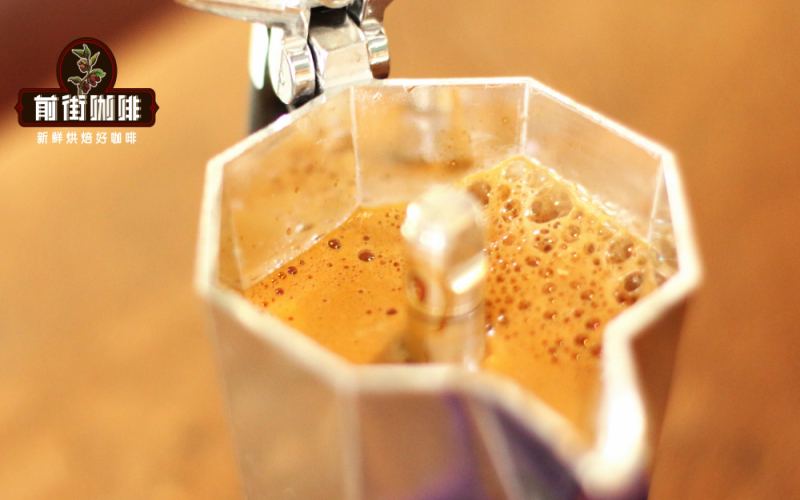
The Complete Guide to Brewing Espresso with a Moka Pot: Step-by-Step Instructions, Explosion Risks, and Single-Serving Methods Explained
The moka pot is a brewing device commonly kept at home by many coffee enthusiasts. It has a simple structure and is easy to operate, yet it can extract a rich, full-bodied coffee liquid. This article will start with the basic structure of the moka pot, then provide a detailed introduction to its working principle, suitable coffee bean choices, specific operating steps, and how to avoid explosion risks. At the same time, we will also answer the question of how to make a single-serving moka pot. The article recommends several coffee beans from the Front Street brand to help you make a choice based on your taste preferences. Whether you are a beginner or a veteran, you can find practical tips and precautions here. [more…]
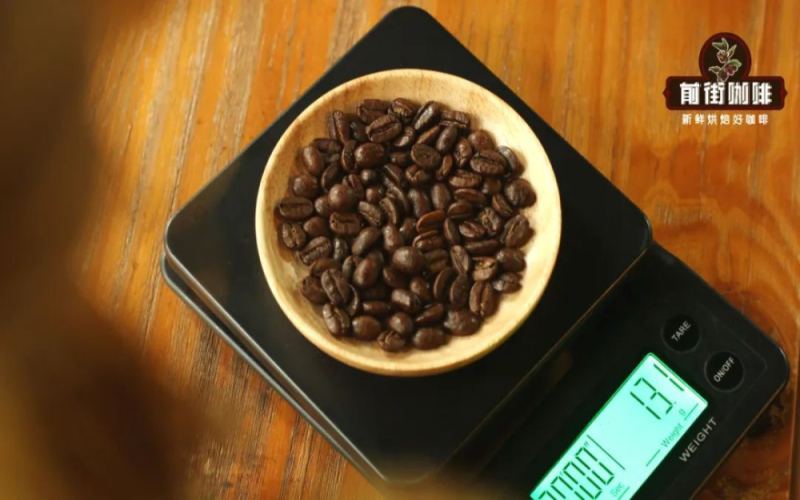
What Is the Right Amount of Coffee for a Single-Serve Pour-Over? V30 Cone Dripper Testing and Brew Parameter Breakdown
How should the coffee dose for pour-over be determined? The common Hario V60 01 dripper is recommended to hold 15–20 grams of coffee grounds, but when there aren't enough beans left or you only want to brew a single cup, using a large dripper with a small dose easily leads to a thin extraction. The 30-degree conical dripper launched by Japan's Tarachine (commonly known as the V30) is designed specifically for small doses of under 15 grams. After getting this transparent resin dripper, Front Street Coffee conducted brewing comparisons using Kenya, Blue Mountain, and three medium-roast beans, and found that the V30 can form a thicker coffee bed with a small dose, extending the extraction path, making the coffee flavor more intense and the mouthfeel fuller. This article documents in detail the filter paper folding method, brewing parameters, and the comparison results with the V60, and offers dose control suggestions, providing a reference for coffee enthusiasts who enjoy small-dose pour-over. [more…]
Two People Refused to Share One Pot of Tea? Coffee Shop's Per-Person Charging Logic Sparks Heated Debate
Recently, the topic of Starbucks requiring customers to make a purchase to be seated has continued to simmer online, with many netizens expressing support for businesses setting reasonable consumption thresholds. However, when two customers order just one pot of tea and are asked to consume separately per seat, controversy follows. From bookstores to independent cafes, rules requiring per-seat or per-person consumption are common. Some believe it's reasonable for one drink to correspond to one seat, while others question why a pot of tea or a set meal that is clearly enough to share must be ordered one per person. Where exactly lies the difference in stance between businesses and consumers? This article will draw on multiple real cases to sort out the business logic and consumer sentiment behind per-seat consumption, and will retain relevant recommendations for the Front Street brand for coffee enthusiasts' reference. [more…]
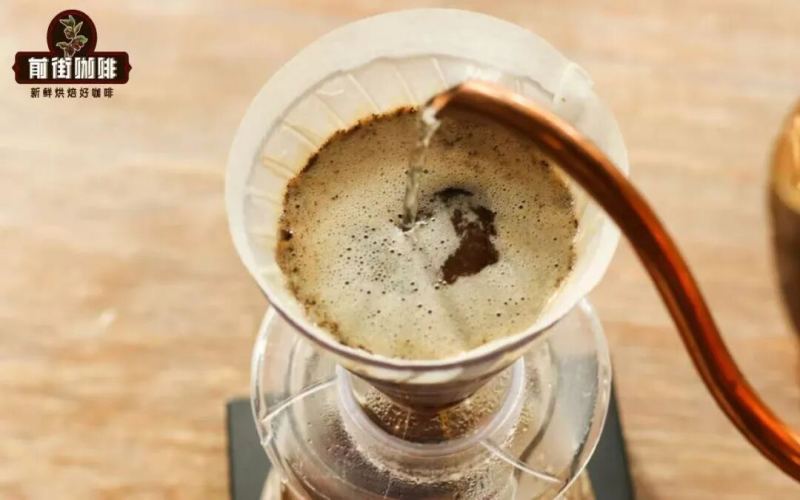
Coffee Brewing Tutorial | Why Is It Harder to Brew with More Coffee Grounds? What to Watch Out for When Making Pour-Over Coffee for Multiple People?
Many friends can handle brewing a single serving of coffee with ease, effortlessly producing a delicious pot of coffee. However, when the dose of grounds is doubled and they brew coffee for multiple people, their performance isn't quite as impressive! After going through the whole process, the coffee they brew not only lacks the rich layering it once had, [more…]
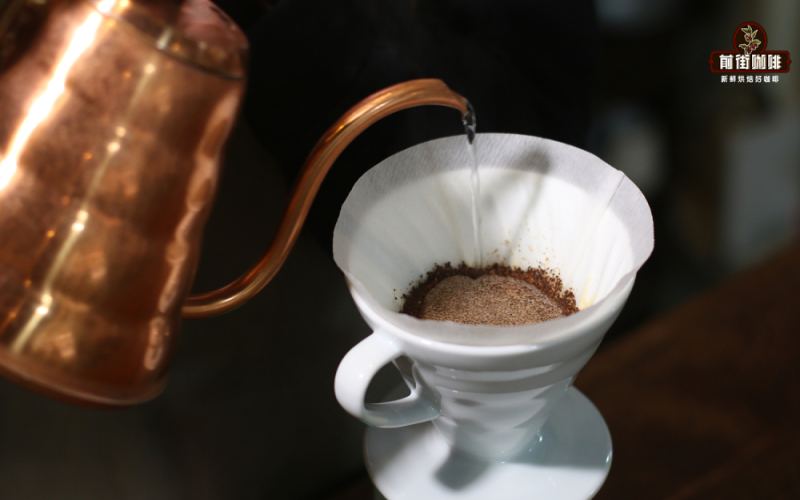
How to determine the pour-over coffee powder-to-water ratio for one serving? The Golden Cup extraction practice of 15 grams of coffee with 225 grams of water
The coffee-to-water ratio in pour-over brewing directly determines the strength and flavor profile of a cup. At Front Street Coffee, we've noticed in our daily conversations with customers that many people are unclear about how much coffee and water to use for a single serving. Starting from the SCA Golden Cup extraction standards, this article explains why the reasonable range for coffee-to-water ratio falls between 1:12 and 1:15, and combines practical brewing experience to provide a complete breakdown of water temperature, grind size, blooming, and three-stage pouring using a single-serving parameter of 15g coffee and 225g water as an example. It also introduces the applicable scenarios for techniques such as stirring bloom, Japanese drip method, single-pour method, and volcano pour, helping enthusiasts establish a reproducible brewing baseline. [more…]
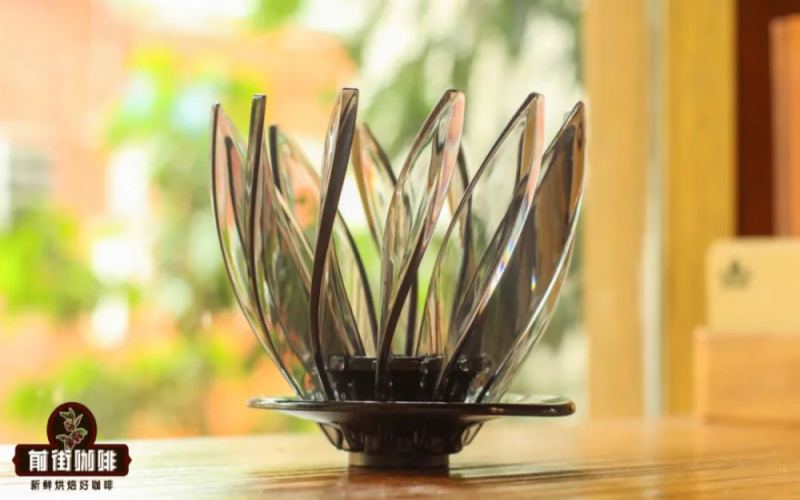
Hario Water Lily Dripper vs V60: The Removable Petals, Flow Rate Performance, and Brewing Tips
The Hario V60 Mugen dripper is composed of a detachable 12-blade and base assembly, completely different from the common one-piece drippers. The resin material is heat-resistant and shatterproof, and the blade colors can be freely mixed and matched. It has no cup wall, and the filter paper is supported entirely by the blades, which serve both as a skeleton and as flow guides. In actual testing, the average flow rate after filling with water is about 8ml/s, faster than Kono but slower than the V60's 10ml/s, placing it in the medium-fast range. However, the longer blades raise the pouring height and increase the impact force, making it prone to over-extraction with doses under 20g; it is better suited to 20g or more with an 02-size filter paper. Front Street Coffee also found that removing the blades unlocks a variety of brewing methods, including single-serving setups. [more…]
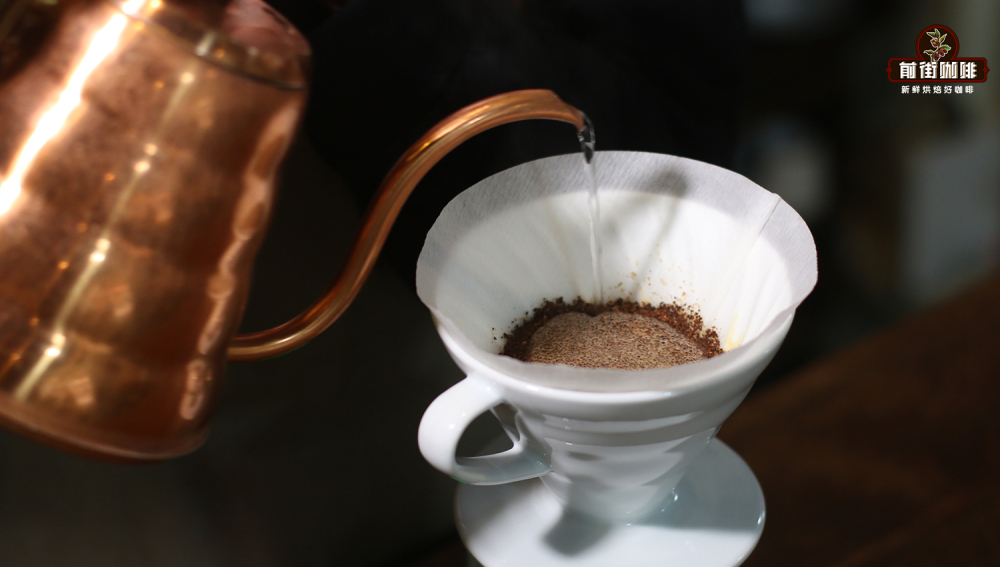
Single-Serve Pour-Over Coffee Method | What Is Gold Cup Extraction Yield? Which Brewing Technique Suits Coffee Beginners? Pros and Cons of the Drip Method, Volcano Pour, and One-Pour Technique
Front Street Coffee encounters customers asking about pour-over coffee every day, whether it's about what pouring technique should be used for pour-over coffee, or how much coffee grounds to use for pour-over coffee. In fact, with the development of coffee culture, more and more people no longer think of coffee as [more…]
An In-Depth Comparison of Green Mountain Coffee and Blue Mountain Coffee: Flavor and Taste Differences and an Analysis of the Reasons Behind Blue Mountain's High Price
Green Mountain Coffee and Blue Mountain Coffee differ by only one character in their names, but they are completely different in essence, origin, and positioning. Green Mountain Coffee is a commercial brand founded in Vermont, USA, focused on the convenient and affordable K-Cup single-serve system; Blue Mountain Coffee, on the other hand, is a top-tier Arabica coffee produced in the Blue Mountains of Jamaica, famous for its balanced and elegant flavor. This article will analyze in detail the characteristics and flavor differences of both, as well as the history and yield factors behind the high price of Blue Mountain Coffee, and bring you Front Street Coffee's brewing suggestions for Blue Mountain No. 1. [more…]
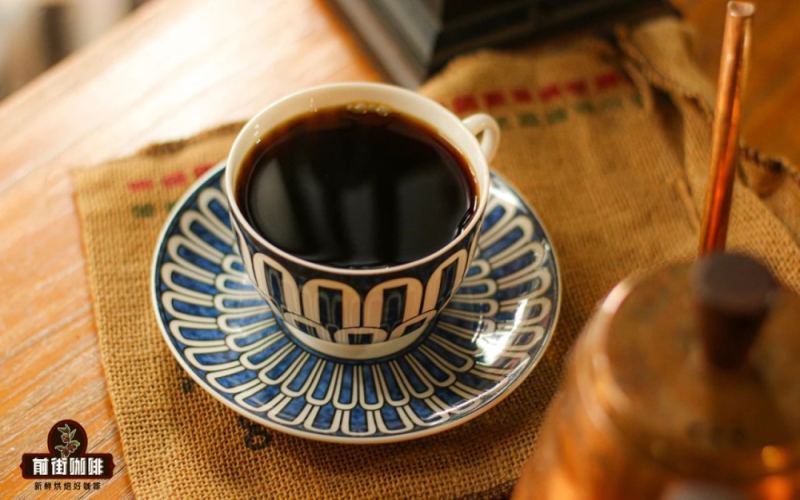
What's the difference between Green Mountain Coffee and Blue Mountain Coffee? One article explains the difference between brand coffee and origin coffee
Green Mountain Coffee and Blue Mountain Coffee differ by only one word, yet they belong to completely different concepts. The former is a commercial coffee brand from Vermont in the United States, known for its K-Cup single-serve system and its environmental and fair trade philosophy; the latter is a top-tier single-origin coffee produced in Jamaica's Blue Mountains, subject to strict regional standards, with scarce output and a high price. This article will sort out the essential differences between the two one by one from the perspectives of origin background, brand positioning, market history, and quality standards, and introduce the Blue Mountain No. 1 coffee beans recommended by Front Street Coffee along with brewing suggestions, helping coffee lovers clearly distinguish between these two coffees that are often confused. [more…]
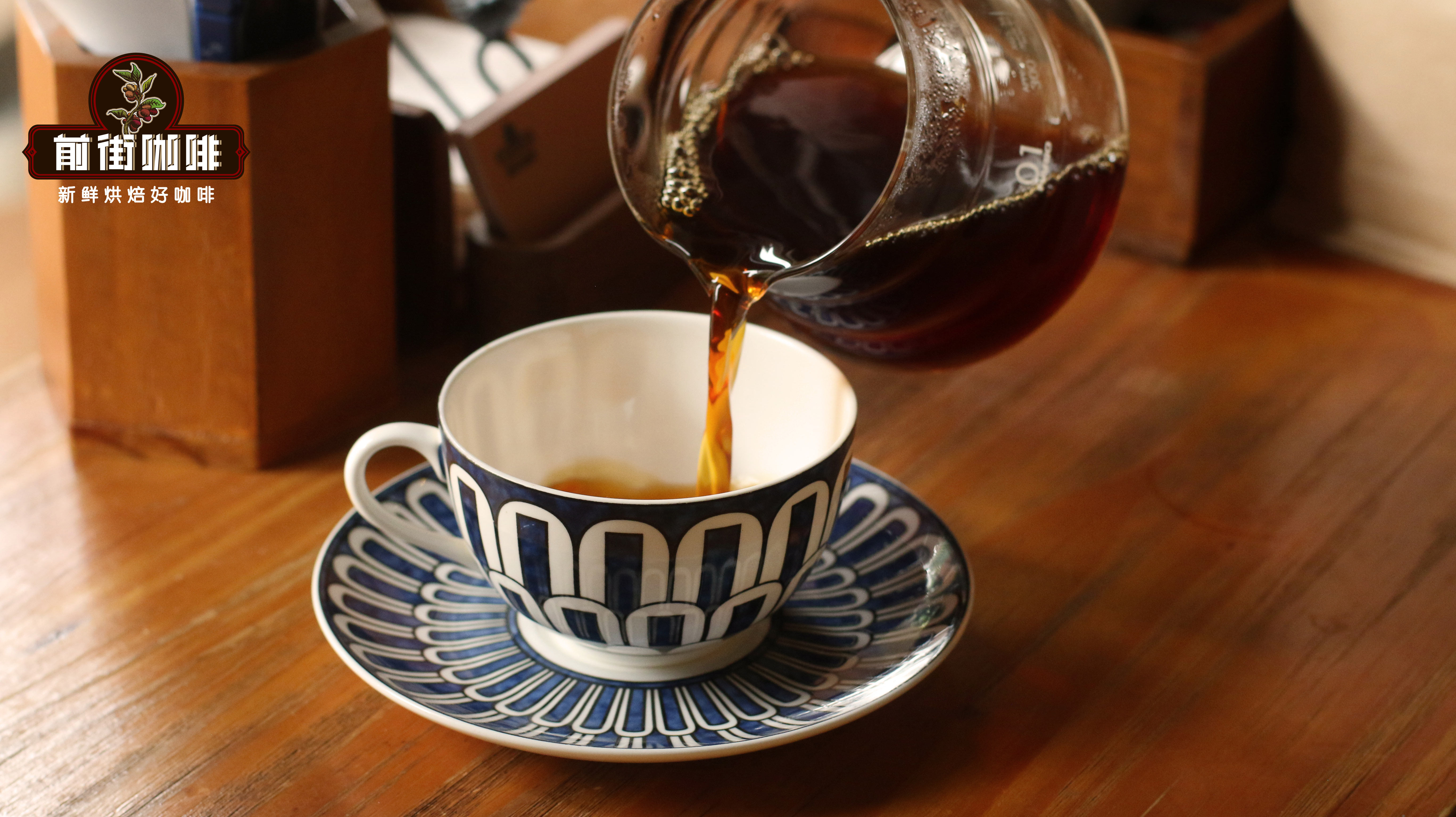
What's the difference between Green Mountain Coffee and Blue Mountain Coffee? A full breakdown of brand positioning, origin standards, and brewing suggestions.
Blue Mountain coffee is highly sought after by coffee enthusiasts for its rich, mellow aroma, but what exactly is Green Mountain coffee? Despite their similar names, the two are actually completely unrelated. Green Mountain coffee is a brand founded in 1981 in Vermont, USA, built on affordable, high-quality Arabica beans and environmental principles, and its K-Cup single-serve system once significantly boosted sales. Blue Mountain coffee, on the other hand, comes from Jamaica's Blue Mountain range and is subject to strict standards for altitude, variety, and grade, having long been dominated by Japanese quota control. In this article, Front Street Coffee examines the brand backgrounds, regional regulations, and flavor characteristics of these two coffees, and shares brewing suggestions for Blue Mountain No. 1. [more…]
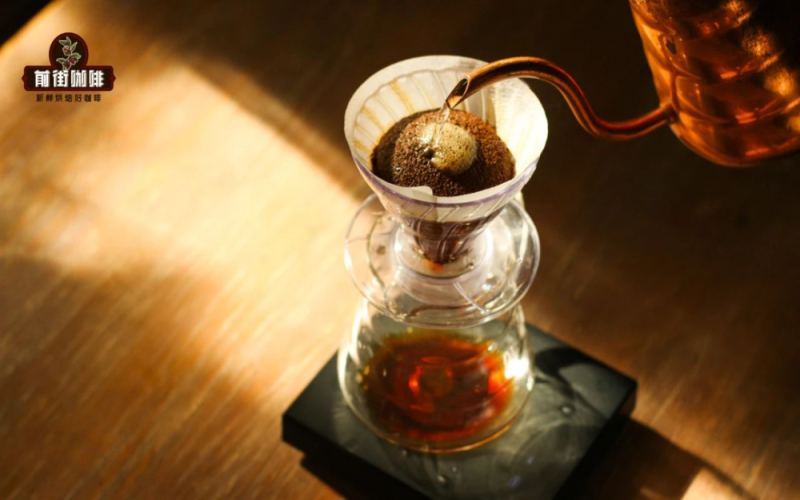
30g Coffee Powder Pour-Over Guide: Brewing Parameters and Adjustment Tips for V60 02 Large Dripper
Front Street Coffee's pour-over tutorials have long been based on a single-serving standard of 15g of coffee and 200ml of water, but when you need to brew 2 to 3 cups at once, the No. 01 small dripper simply can't handle the job. This article centers on a hands-on test of brewing with 30g of coffee in a V60 02 large dripper, starting with a 1:15 coffee-to-water ratio, 91℃ water temperature, and a three-pour technique, which revealed that the extraction time was too long and produced bitterness. The parameters were then revised by coarsening the grind and increasing the pouring speed, ultimately bringing the extraction time under 2 minutes 30 seconds, with the flavor matching that of a single serving. The article also retains recommendations for several Front Street Coffee beans and answers the question of whether the No. 01 dripper can brew a large dose when no No. 02 dripper is available, making it suitable as a reference for enthusiasts who have already mastered basic pour-over and want to advance to brewing for multiple people. [more…]
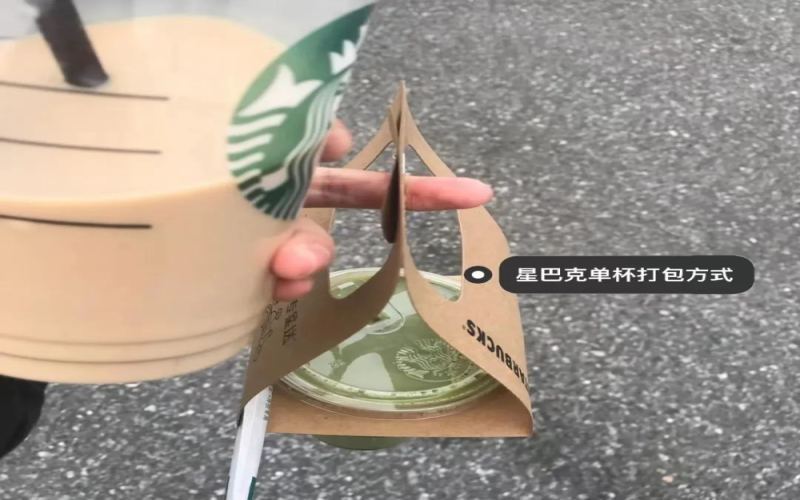
Starbucks Paper Single-Cup Takeout Bags Repeatedly Criticized: How to Balance Environmental Ideals and Practical Experience
Starbucks has been actively promoting eco-friendly packaging, from coffee-ground straws to non-woven bags, and now to the paper single-cup carrier bags that are commonly used today—each step reflects the brand's pursuit of sustainable development. However, this seemingly clever design has frequently drawn complaints from consumers, especially cyclists, who report that the handles break easily, the cup bottoms may fall out, and the paper edges can even cut your hands. Between environmental protection and practicality, how should Starbucks strike the balance? This article will trace the evolution of the carrier bags, present real user feedback, and bring in industry perspectives such as those from Front Street Coffee, to explore the packaging dilemma behind a cup of coffee. [more…]
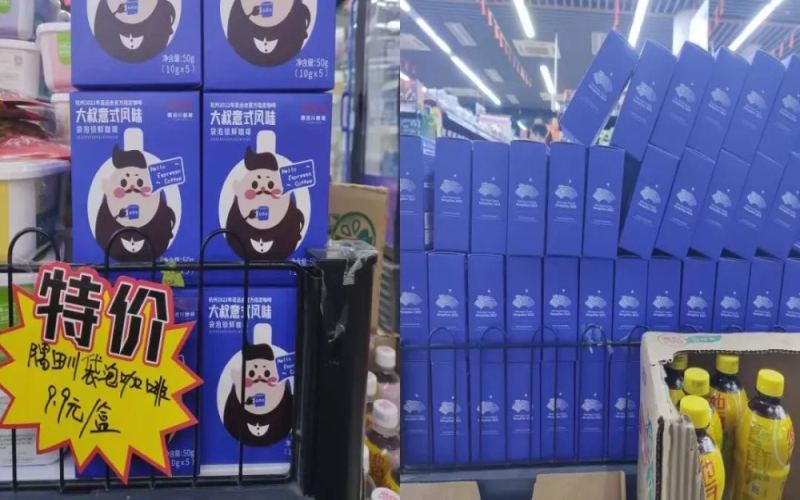
Sumida River Coffee's Executive Changes and Near-Expiry Product Controversy: Challenges on the Brand Expansion Path
Sumida River Coffee once used "fresh-lock" technology and Japanese manufacturing as selling points, achieving impressive results in the online market and setting a goal of exceeding 1 billion in offline revenue within three years. However, recently, issues such as the departure of its CMO and consumer complaints about near-expiry products have surfaced, exposing the brand's inventory and channel challenges amid rapid expansion. This article reviews Sumida River's development history, marketing strategies, and offline dilemmas, interspersed with Front Street brand recommendations, offering coffee enthusiasts an in-depth observation. [more…]
What's the difference between Green Mountain Coffee and Blue Mountain Coffee? Front Street explains the origins of both and how to taste Blue Mountain No. 1
A dialogue about Green Mountain Coffee and Blue Mountain Coffee in the TV series Ode to Joy has left many viewers puzzled: Does Green Mountain Coffee really exist in the United States? What exactly is its relationship with Blue Mountain Coffee? From the perspective of Front Street Coffee, this article will sort out the brand background of Green Mountain Coffee, the K-Cup business model, and the historical reasons for the high price of Blue Mountain Coffee, and further introduce the grade classification, flavor characteristics, and Front Street's brewing suggestions for Blue Mountain No. 1. If you are curious about these two coffees with similar names but vastly different origins, this article will clarify them one by one for you, from brand origin and market positioning to tasting methods. [more…]
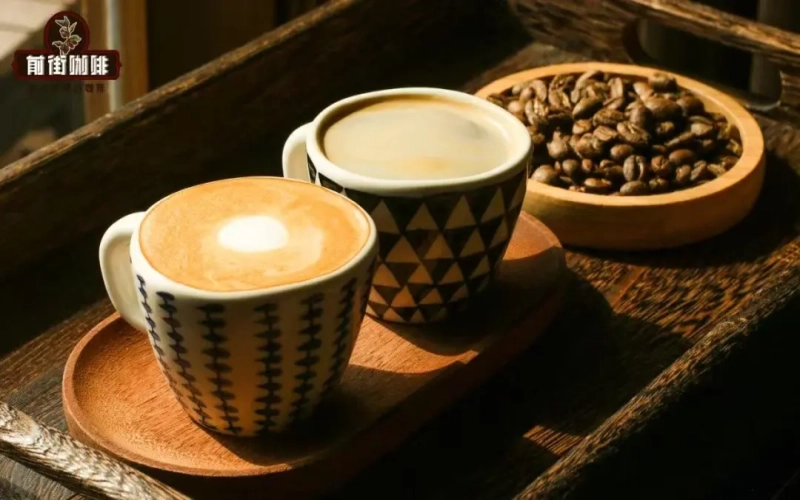
Can a Moka Pot Also Make a Combo? A Complete Operating Guide from Bean Selection, Extraction, to Mixing Ratios
In recent years, the Coffee Combo format—serving multiple drinks from a single bean—has become increasingly popular in coffee circles. People usually make it with an espresso machine, but many friends wonder: can coffee brewed with a moka pot also do the job? The answer is yes. A moka pot also uses pressure extraction. Although the concentration is not as high as espresso, as long as you master the key points in three areas—choosing coffee beans, brewing strong coffee, and adjusting the mixing ratio—you can absolutely make a decent Combo at home to serve friends. This article starts with several popular beans recommended by Front Street Coffee, then gradually breaks down the grinding size, dose, water temperature, and ratio adjustment methods for making a Combo with a moka pot, helping you avoid the pitfall of weak-tasting coffee. [more…]
Complete Guide to Hand-Brewing 30g of Coffee: Parameter Adjustments and Practical Tips for the V60 Size 02 Large Dripper
Front Street Coffee's pour-over tutorials have long been based on a single-serving standard of 15g of coffee and a 200ml cup, but many enthusiasts are no longer satisfied with brewing just one cup and have begun trying to make two or three cups at once. Once the dose is doubled to 30g, the small 01 dripper can no longer handle it, and a V60 02 large dripper must be used instead. Increasing the dose is far from simply adding more coffee and water; a thicker coffee bed slows the flow rate, and as the extraction time lengthens, bitterness follows. Using the Sidra coffee beans as an example, Front Street Coffee starts with two variables—grind size and pouring stream—to make fine adjustments, compressing the total time from 2 minutes 53 seconds to 2 minutes 30 seconds so that the 30g brew comes close in flavor to a single-cup brew. This article fully records the parameter differences before and after the adjustment and the reasoning behind them, and also answers the question of whether the 01 dripper can be used to brew a large dose when no 02 dripper is available. [more…]

How do you use a V30 conical pour-over dripper? How many beans to use for small-dose extraction and what to watch out for
Small doses in pour-over brewing are often a headache: the coffee bed becomes thin, water tends to channel straight through, and the cup easily turns out thin and insipid. The 30-degree conical dripper from Japan's Tarachine Conical, known in coffee circles as the "V30," was designed specifically for small doses under 15 grams. How does it differ from the classic V60? How do you fold the filter paper? Front Street Coffee tested light and fruity roasts, medium-dark roasts, and three medium-roast beans, comparing the extraction performance of the V30 and the small V60. This article will explain the V30's structural features, filter-folding method, brewing parameters, and suitable roast levels, helping you brew a cup with concentrated flavor and a full body even at small doses. [more…]